

Manufacturing Logistics Trends 2026: Technology in Factory Relocation and Machine Moving
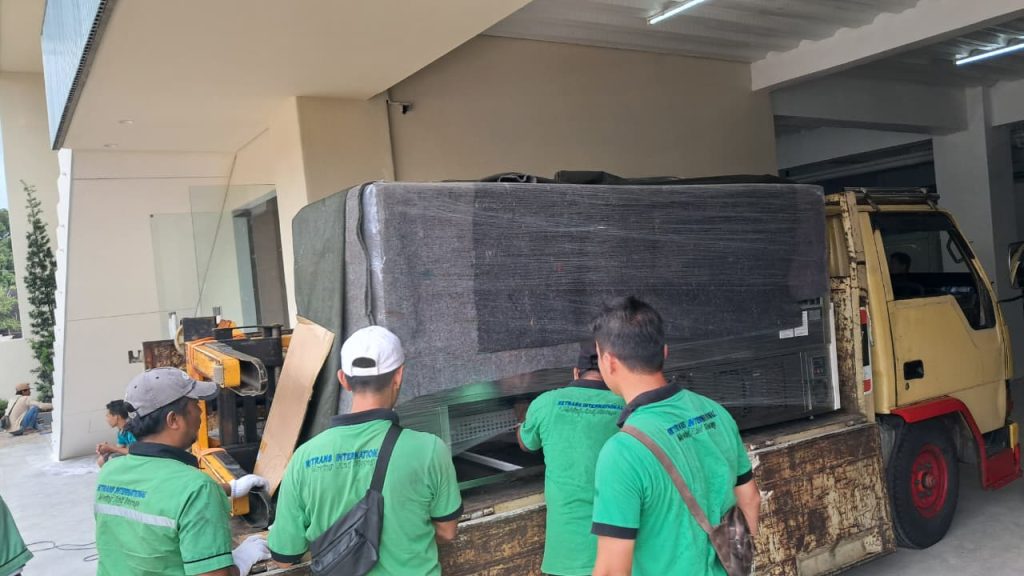
Manufacturing Logistics Trends 2026 show a major shift in how factories handle relocation and industrial machine moving. Today, relocating a factory is no longer just about transportation. It is about reducing downtime, protecting high-value equipment, and maintaining operational continuity.
For factory owners, production managers, and procurement teams, one wrong move can result in costly delays and damaged machinery. This is why understanding Manufacturing Logistics Trends 2026 is critical. Companies now need smarter, safer, and more efficient factory relocation strategies to stay competitive.
Why Factory Relocation Is Now a Strategic Decision
Factory relocation used to be seen as a one-time operational task. Today, it is a strategic move that can directly impact business performance.
Manufacturers are not only moving machines. They are relocating entire production systems, workflows, and operational setups. Every step must be carefully planned to avoid disruption.
This is where professional factory relocation services play a key role. Many companies now partner with experienced providers such as PT Retrans International to ensure better control, safety, and efficiency during the process.
Technology Driving Manufacturing Logistics Trends 2026
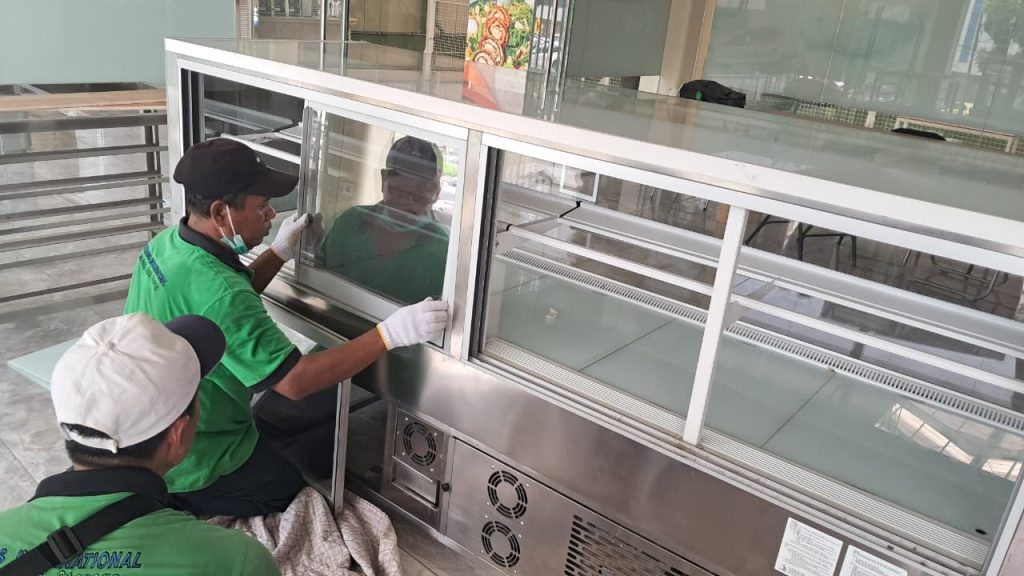
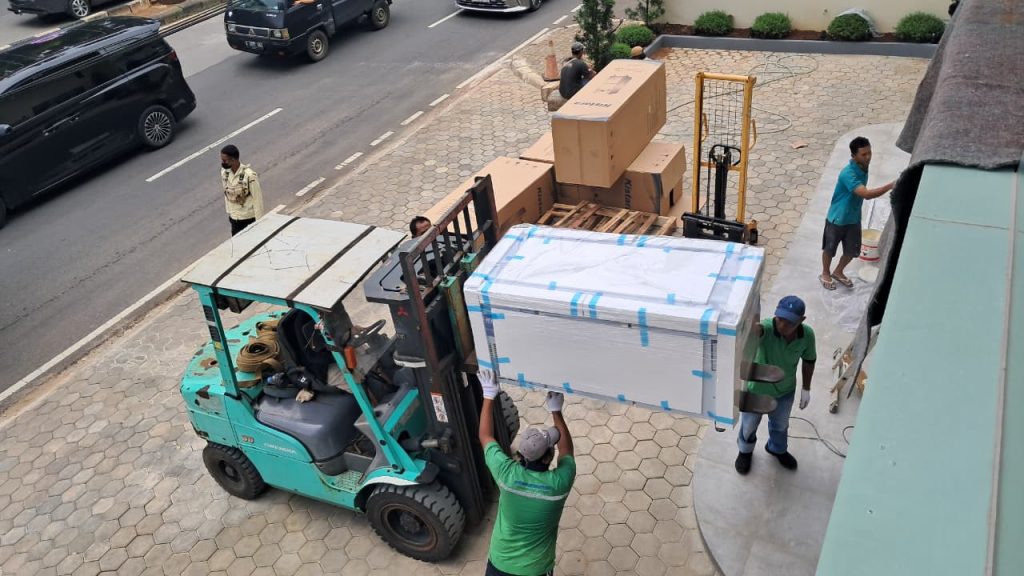
Technology now plays a key role in factory relocation. For example, digital planning tools allow teams to simulate the entire process before execution. As a result, risks can be identified early. In addition, IoT sensors help monitor machines during transport. These sensors track movement, temperature, and vibration in real time. Therefore, companies can ensure that machines stay safe throughout the journey. Moreover, modern equipment such as hydraulic lifting systems improves handling accuracy. This reduces the risk of damage and speeds up the process.
Challenges in Industrial Machine Moving
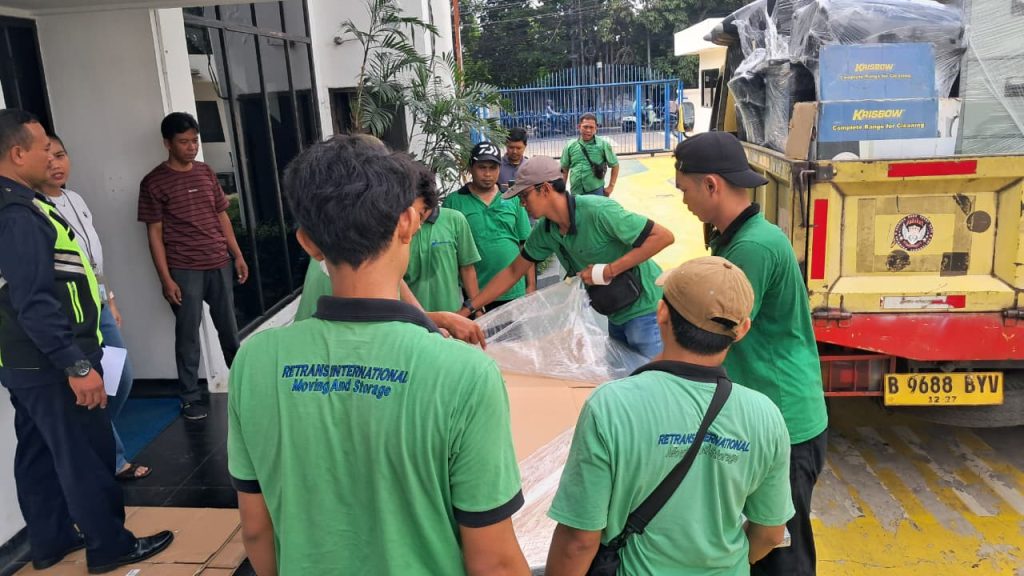
Despite these advancements, industrial machine moving remains complex. Machines are often large, heavy, and sensitive. Improper handling can lead to serious damage.
Downtime is another major concern. Every hour of halted production can result in significant financial loss. This makes planning and execution critical.
Without the right expertise, companies may face hidden costs, delays, and operational risks. This is why many businesses now rely on industrial moving services instead of handling relocation internally.
Factory Relocation vs In-House Moving: Which Is Better?
Many companies consider handling relocation internally to save costs. However, this approach often creates more problems than it solves.
In-house moving may seem cheaper at first. But it comes with risks such as lack of proper equipment, limited experience, and higher chances of machine damage. It can also lead to longer downtime. On the other hand, professional factory relocation services provide structured planning, specialized equipment, and experienced teams. This reduces risk and ensures faster execution.
In the long run, working with a professional logistics partner is often more cost-effective. It helps protect valuable assets and maintain production continuity.
Efficiency Strategies in Factory Relocation
Companies that follow Manufacturing Logistics Trends 2026 focus on efficiency from the start.
A detailed pre-move assessment helps identify machine requirements and site conditions. This allows teams to create a tailored relocation plan. Modular moving is another effective strategy. Machines are disassembled into smaller parts for safer transport. They are then reassembled at the destination by skilled technicians. Close coordination between logistics and production teams is also essential. Proper scheduling helps minimize downtime and ensures a smooth transition.
These strategies are often part of logistics solutions for manufacturing businesses that focus on long-term efficiency.
The Value of Professional Factory Relocation Services
Professional relocation services provide more than just transportation. They offer a complete solution that covers planning, execution, and reinstallation. Companies that use expert services benefit from reduced risk, improved efficiency, and better cost control. This is especially important for industries that rely on continuous production.
Experienced providers such as PT Retrans International also follow international standards. As a member of the International Association of Movers, they apply global best practices in handling industrial relocation. This level of professionalism ensures safer handling and more reliable results.
The Future of Manufacturing Logistics
Looking ahead, Manufacturing Logistics Trends 2026 will continue to evolve. Artificial intelligence, automation, and real-time data integration will become standard in logistics operations. Companies that adopt these innovations will gain a competitive advantage. They will be able to operate more efficiently and respond faster to market changes. Those that fail to adapt may face higher costs and operational inefficiencies.
In conclusion, Manufacturing Logistics Trends 2026 highlight the importance of planning and technology. With the right approach, companies can reduce risk and improve efficiency. However, choosing the right logistics partner is just as important. Without experience and proper systems, relocation can become costly. That is why working with an experienced partner like PT Retrans International can make a real difference.
👉 Get a consultation today and plan your relocation with confidence.